
The cryptocurrency market has grown massively, with millions of Americans now holding some form of digital assets. As the market matures, choosing the right wallet has become a key decision for both new and experienced investors. With thousands of options available, understanding the differences between wallet types, security features, and usability has never been more important for protecting your investments.
This guide covers everything you need to know about cryptocurrency wallets, from the fundamental technology behind them to practical recommendations for securing your digital assets in 2024 and beyond.
What is a Cryptocurrency Wallet?
A cryptocurrency wallet is a software program or hardware device that allows users to store, send, and receive cryptocurrency. Unlike traditional wallets that hold physical currency, cryptocurrency wallets don’t actually store coins themselves. They hold the private keys—cryptographic codes that prove ownership of your digital assets and authorize transactions on the blockchain.
When you create a cryptocurrency wallet, the software generates a pair of cryptographic keys: a public key, which works like an account number that others can see and use to send you funds, and a private key, which must be kept confidential as it provides access to your funds. Losing your private key means losing access to your cryptocurrency permanently, making proper key management essential for any investor.
Modern cryptocurrency wallets come in various forms, each offering different balances of security, convenience, and functionality. Understanding these differences is crucial for making an informed decision about which wallet suits your needs.
Types of Cryptocurrency Wallets
Hot Wallets
Hot wallets are cryptocurrency wallets that remain connected to the internet, providing convenient access for frequent trading and transactions. These software-based solutions include exchange wallets, mobile apps, and desktop applications. Hot wallets allow users to send and receive funds within seconds from anywhere with an internet connection.
The main advantage of hot wallets is their ease of use. Most cryptocurrency exchanges provide built-in hot wallets as part of their platform, eliminating the need for users to manage separate software. Popular options include Coinbase Wallet, Binance Wallet, and Crypto.com Wallet, each offering interfaces suitable for beginners.
However, the constant internet connection creates security vulnerabilities. Hackers have successfully targeted numerous hot wallet services over the years, resulting in significant losses for users. Security experts recommend using hot wallets only for storing amounts you can afford to lose or for active trading, while keeping the majority of your holdings in more secure storage solutions.
Cold Wallets
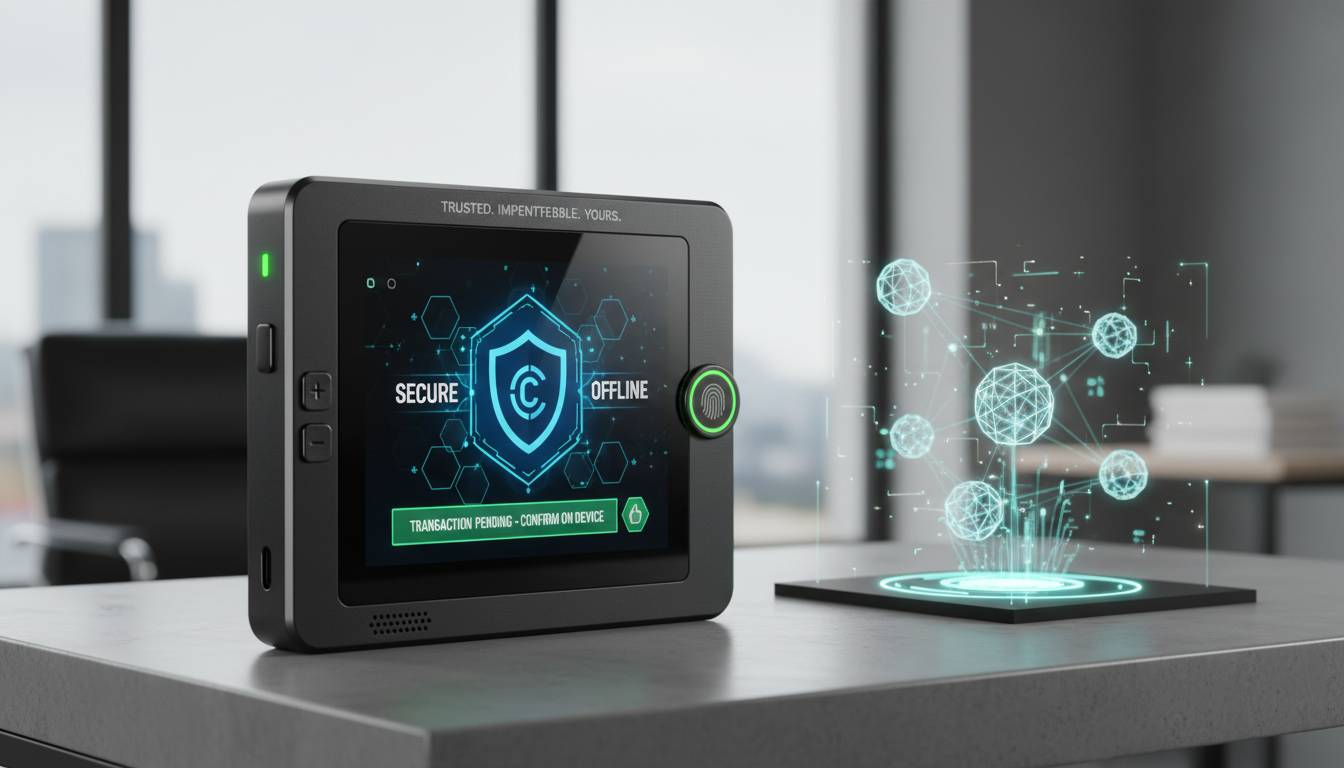
Cold wallets provide offline storage for cryptocurrency, significantly reducing the attack surface available to hackers. These devices never connect to the internet directly, instead signing transactions offline before broadcasting them through a connected computer. This air-gapped approach makes cold wallets virtually immune to remote hacking attempts.
Hardware wallets are the most popular form of cold storage. Leading manufacturers including Ledger and Trezor produce dedicated devices designed specifically for secure cryptocurrency storage. These devices typically cost between $50 and $250 and support hundreds of different cryptocurrencies. The initial investment is small compared to the potential loss from a compromised hot wallet.
Paper wallets offer another cold storage option, involving the printing of private keys and wallet addresses on physical paper. While completely immune to digital attacks, paper wallets have their own risks, including physical loss, damage, and human error when importing keys. Most security experts now recommend hardware wallets over paper wallets for most users due to their better balance of security and usability.
Key Features to Consider When Choosing a Wallet
Security Features
Security should be your primary consideration when selecting any cryptocurrency wallet. Look for wallets offering two-factor authentication, multi-signature support, and biometric login options. Hardware wallets should have secure element chips that store private keys in tamper-resistant environments.
Backup and recovery capabilities are equally important. Quality wallets provide seed phrases—typically 12 or 24 words—that allow you to recover your funds if your device is lost or damaged. Store this seed phrase securely offline, preferably in multiple physical locations. Never store digital copies of your seed phrase, as they become vulnerable to hacking.
Reputation and track record matter significantly in the cryptocurrency space. Research the wallet provider’s history, including any reported security breaches and how the company responded. Established companies with transparent security practices and active development teams generally offer more reliable products than newer, untested alternatives.
Supported Cryptocurrencies
Different wallets support different cryptocurrencies, so ensure any wallet you consider supports the assets you plan to hold. Most major wallets support popular cryptocurrencies like Bitcoin and Ethereum, but support for smaller altcoins, tokens, and newly launched projects varies significantly.
Multi-currency wallets allow you to store numerous cryptocurrencies in a single application, simplifying portfolio management. However, some specialized wallets focus exclusively on specific blockchains, offering deeper integration and features for particular assets. Consider whether you prefer a unified solution or are willing to use multiple wallets for different purposes.
User Experience and Fees
The best cryptocurrency wallet should match your technical comfort level. Beginners generally benefit from wallet applications with intuitive interfaces, extensive documentation, and built-in customer support. Experienced users might prefer advanced features, greater customization, and command-line interfaces.
Transaction fees vary considerably between wallet providers and blockchain networks. Hot wallets typically integrate with exchanges, allowing for straightforward fee management. Hardware wallets may require additional setup but often reduce overall costs for users who transact infrequently. Consider your typical transaction volume and amounts when evaluating the cost implications of different wallet options.
Top Cryptocurrency Wallet Recommendations
For users prioritizing maximum security alongside reasonable convenience, hardware wallets like the Ledger Nano X and Trezor Model T remain popular choices. Both devices offer secure element storage, broad cryptocurrency support, and mobile applications for managing your portfolio on the go.
Mobile wallets such as Trust Wallet and Coinbase Wallet provide good options for users who need frequent access to their cryptocurrency. These hot wallets offer convenient interfaces, built-in exchange functionality, and support for thousands of tokens and decentralized applications.
Exchange-provided wallets remain popular among users who primarily trade on specific platforms. Coinbase, Binance, and Kraken all offer integrated wallet solutions with their trading platforms, though security-conscious users should consider transferring funds to personal wallets after completing trades.
Setting Up Your Cryptocurrency Wallet
Creating a new cryptocurrency wallet typically involves downloading the wallet application or purchasing a hardware device, then following the setup wizard to generate your private keys. During this process, you will receive your seed phrase—write it down immediately and store it securely before proceeding.
Once your wallet is set up, take time to verify your recovery process. Most wallets include a testing feature that confirms you can restore access using your seed phrase. Practice this process before depositing significant funds, ensuring you understand each step thoroughly.
Consider starting with a small test transaction when first using a new wallet. Send a minimal amount, confirm receipt, then test the recovery process with those funds before transferring your full portfolio. This cautious approach helps identify any issues before they become costly mistakes.
Security Best Practices
Protecting your cryptocurrency requires ongoing vigilance beyond simply choosing a secure wallet. Never share your private keys or seed phrase with anyone, including customer support representatives. Legitimate wallet providers will never ask for this information.
Enable all available security features, including two-factor authentication, device encryption, and automatic locking. Regularly update your wallet software to patch any discovered vulnerabilities. For hardware wallet users, always verify the authenticity of any software updates directly on the manufacturer’s website.
Consider using a dedicated device for cryptocurrency transactions, reducing exposure to malware and phishing attempts. Maintain offline backups of your seed phrase in secure locations, such as safety deposit boxes or home safes. Diversifying your storage solutions—perhaps keeping most funds in cold storage while maintaining a smaller hot wallet for transactions—provides additional protection against various threat vectors.
Conclusion
Selecting the right cryptocurrency wallet requires balancing security, convenience, and your specific investment needs. While no single solution works for everyone, understanding the fundamental differences between wallet types empowers you to make informed decisions about protecting your digital assets.
For most users, a combination approach works best: using reputable hot wallets for active trading while maintaining the majority of holdings in hardware wallets for long-term security. Regardless of which wallet you choose, prioritizing proper key management, enabling all available security features, and staying informed about emerging threats will serve you well as the cryptocurrency ecosystem continues to develop.
Frequently Asked Questions
What is the best cryptocurrency wallet for beginners?
For beginners, mobile wallets like Trust Wallet or Coinbase Wallet offer the most accessible entry point with intuitive interfaces and built-in support. These options provide convenient access while you learn, though you should eventually transfer significant holdings to hardware wallets for enhanced security.
Are cryptocurrency wallets safe?
Cryptocurrency wallets can be highly secure when used properly. Hardware wallets offer the strongest protection against digital threats, while hot wallets provide adequate security for smaller amounts. The safety of any wallet ultimately depends on user practices, including proper key management and enabling available security features.
Do I need a cryptocurrency wallet if I keep my crypto on an exchange?
While you can keep cryptocurrency on exchanges, using a personal wallet provides greater control over your assets and reduces counterparty risk. Exchange wallets are essentially hot wallets managed by third parties, meaning you depend on their security practices and could lose access if the exchange experiences problems.
What’s the difference between a hot wallet and a cold wallet?
Hot wallets remain connected to the internet, offering convenience but facing greater security risks. Cold wallets stay offline, providing superior security at the cost of slower transaction times. Most investors use both, keeping active trading funds in hot wallets while securing long-term holdings in cold storage.
Can I have multiple cryptocurrency wallets?
Yes, you can and often should use multiple wallets for different purposes. Many users maintain several wallets—one for daily transactions, another for trading, and additional cold storage solutions for long-term holdings. This approach provides both convenience and security diversification.
How do I recover my cryptocurrency if I lose my wallet?
Recovery depends on having your seed phrase or private keys backed up securely. Any wallet that supports the same cryptographic standards can import your seed phrase to restore access to your funds. Without your seed phrase, recovery becomes impossible, emphasizing why secure backup is absolutely essential.