
The cryptocurrency market moves fast, and it can feel overwhelming for anyone trying to figure out where to start. Digital assets have gone from a niche interest to something mainstream enough that your dentist might ask about Bitcoin at your next appointment. Whether you’re already invested or just curious, understanding what actually works (and what doesn’t) matters more than following the latest hype.
This guide covers strategies, risk management, and practical considerations that can help you navigate crypto investing without losing your mind or your money.
Understanding Cryptocurrency Investment Risks
Before getting into specific strategies, you need to understand what you’re dealing with. The crypto market is volatile—prices can swing 20% or more in a single day based on a single tweet or regulatory announcement. This volatility comes from regulatory news, tech developments, shifting market sentiment, and broader economic conditions.
Beyond price swings, there are real threats to consider. Exchanges get hacked. Wallets get compromised. Regulators in different countries keep changing the rules, which creates uncertainty. Smaller cryptocurrencies can be hard to sell quickly at a fair price because there simply aren’t enough buyers.
A financial advisor who works with digital assets put it this way: “Anyone looking at crypto should first be honest about their risk tolerance. Only invest what you can afford to lose entirely. The upside potential is real, but so is the downside.”
Top Cryptocurrency Investment Strategies
Buy and Hold (Dollar-Cost Averaging)
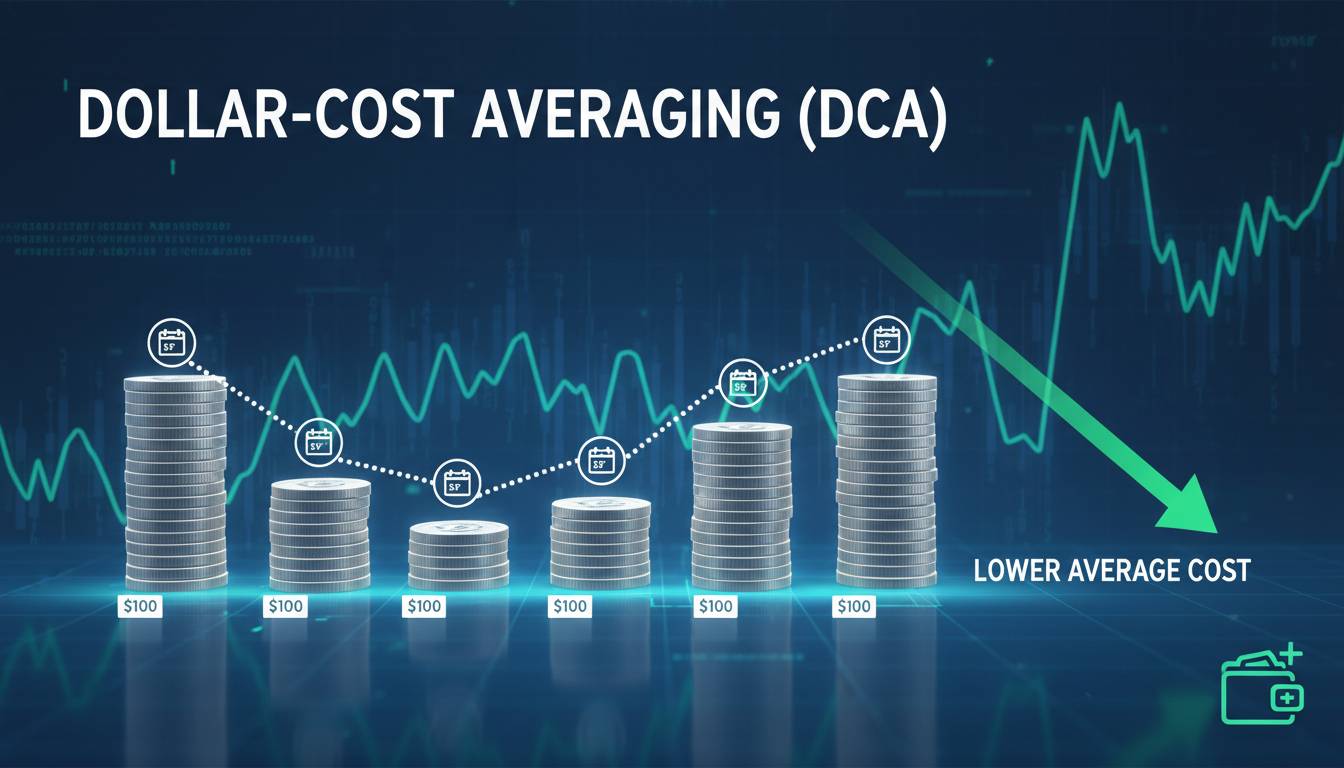
The simplest approach to crypto investing is buying and holding, usually through dollar-cost averaging (DCA). This means investing a set amount at regular intervals—say, $100 every month—regardless of whether prices are up or down.
DCA removes the impossible task of timing the market. No one consistently predicts price movements correctly. By buying at different price points, you automatically get more units when they’re cheap and fewer when they’re expensive. Over time, this can lower your average cost per unit. It works especially well for established cryptocurrencies like Bitcoin and Ethereum, which have shown long-term growth despite plenty of short-term chaos.
The psychological benefit is underrated too. DCA keeps you from making emotional decisions during market panics or rallies. For beginners, having a set schedule beats trying to read charts and panic-selling at the bottom.
Active Trading Strategies
Active trading means buying and selling more frequently. Day trading, swing trading, and trend trading are the main approaches here.
Day trading involves multiple trades within a day, catching small price movements. It requires serious time, focus, and discipline. Traders use technical analysis—charts, indicators, volume—to find entry and exit points. Swing trading holds positions for days or weeks to capture bigger moves. Trend trading means riding established trends up and selling when they reverse.
Skilled traders can make money this way, but the data isn’t encouraging for most retail traders. Studies consistently show the majority lose money. If you’re considering active trading, start with a small amount, get real about the time commitment, and understand that the learning curve is steep.
Staking and Yield Generation
Staking lets you earn passive income by locking up cryptocurrency to support a proof-of-stake blockchain network. You contribute to network operations and get rewards, usually paid in the same token you staked.
Rewards vary widely depending on the cryptocurrency and platform. Some offer modest returns around 3-5% APY, while others advertise much higher yields. But higher rewards usually mean higher risks. Lock-up periods mean you can’t access your funds for a set time. Slashing penalties can reduce your holdings if the network detects bad behavior or technical failures. And rewards aren’t guaranteed—participation rates and tokenomics change.
Beyond staking, DeFi lending and yield farming offer additional ways to earn returns on crypto holdings. You can lend assets to borrowers or provide liquidity to trading pools. These can be more lucrative, but they come with smart contract risks, impermanent loss, and other technical complications that require real understanding before jumping in.
DeFi Investment Approaches
Decentralized finance has created new opportunities beyond just buying and holding. DeFi protocols offer lending, borrowing, trading, and earning interest without traditional banks or brokers.
Liquidity provision is common—you deposit assets into trading pools and earn a share of trading fees plus sometimes governance tokens. The catch is impermanent loss: if the value of your deposited assets changes significantly in opposite directions, you can end up with less than if you’d just held them.
Yield aggregation platforms automatically move funds between DeFi protocols to chase the best yields. They handle the technical complexity but introduce smart contract risk and platform risk. If you’re interested in DeFi, research thoroughly, understand what you’re getting into, and start small.
Diversification Approaches
Portfolio diversification applies to crypto just like any other investment. Don’t put everything into one token.
A balanced crypto portfolio might include core holdings in Bitcoin and Ethereum for stability, plus smaller allocations to altcoins with higher growth potential but more risk. Many investors keep some stablecoins on hand for liquidity or as a safe haven during volatility. Your exact mix depends on your risk tolerance, timeline, and outlook.
Geographic diversification helps too. Different regions have different regulatory approaches, so spreading across globally-adopted cryptocurrencies can reduce exposure to any single jurisdiction’s policy changes.
Comparing Investment Strategies
| Strategy | Risk Level | Time Commitment | Potential Returns | Best Suited For |
|---|---|---|---|---|
| Dollar-Cost Averaging | Moderate | Low | Moderate to High | Long-term investors, beginners |
| Active Trading | High | High | Variable | Experienced traders with time |
| Staking | Low to Moderate | Low | Moderate | Passive income seekers |
| DeFi | High | Moderate to High | High | Sophisticated investors |
| Diversification | Variable | Low to Moderate | Variable | All investor types |
How to Choose the Right Strategy
Picking a strategy requires honest self-assessment. Consider your risk tolerance, how much time you can dedicate, your experience level, and what you’re trying to achieve.
Long-term wealth building? DCA into Bitcoin and Ethereum, plus staking for passive income. Have trading experience and hours to spare? Active strategies might work. Prefer low maintenance? Look at staking with established protocols while keeping most of your portfolio in stablecoins.
Start with money you can afford to lose. Use your early positions to learn how everything works—exchanges, wallets, taxes—before committing serious capital.
Tax Considerations for Crypto Investors
Crypto tax rules depend on where you live and keep changing. In the United States, the IRS treats cryptocurrency as property. That means capital gains and losses apply when you sell, trade, or dispose of crypto.
Keep detailed records of every transaction: dates, amounts, values at the time, and what the transaction was for. Messy records mean messy tax problems. Some investors use specialized crypto tax software or work with accountants who understand digital assets.
Staking rewards and yield farming income may count as ordinary income at fair market value when you receive them, plus any capital gains when you eventually sell. Knowing the difference helps you plan and avoid surprises come tax season.
Common Mistakes to Avoid
New investors tend to make the same avoidable mistakes:
Investing more than they can afford to lose, especially after seeing others make money. FOMO is real and expensive.
Neglecting security. Use reputable exchanges, enable two-factor authentication, and get a hardware wallet for anything substantial. Never share your private keys or store sensitive info on connected devices.
Chasing pumps without research. Before buying any token, understand what it does, who runs it, and whether it has real value. Following tips from strangers on Twitter without verification is a fast way to lose money.
Failing to take profits. Watching gains evaporate in a downturn is painful. Having exit strategies and rebalancing periodically locks in returns and manages risk.
Frequently Asked Questions
What is the best cryptocurrency investment strategy for beginners?
DCA into Bitcoin and Ethereum through a reputable exchange is the easiest starting point. It removes timing stress, keeps things simple, and lets you learn the market gradually.
How much should I invest in cryptocurrency?
Only what you can afford to lose. A common suggestion is 1-10% of your total investable assets, given the volatility. Don’t touch money you need for bills or emergencies.
Is cryptocurrency a good investment in 2024?
It carries potential rewards and real risks. Bitcoin and Ethereum have shown long-term growth, but nothing is guaranteed. Research current market conditions and regulatory developments before committing.
What are the risks of crypto investing?
Price volatility, total loss potential, hacks, regulatory changes, and liquidity problems. Some tokens become worthless. Understanding these risks and managing them matters.
Should I use a wallet or keep crypto on an exchange?
Exchanges work fine for trading amounts. Hardware wallets are better for significant holdings because they keep private keys offline. Many people use both: keep trading funds on exchanges, hold long-term positions in hardware wallets.
How do I know if a cryptocurrency is legitimate?
Read the whitepaper. Check the team. Understand the technology and use case. Look at market cap, trading volume, and exchange listings. Red flags include guaranteed return promises, no transparent information, and pressure to invest fast.
Conclusion
Crypto investment strategies range from passive DCA to active trading to DeFi experiments. Each has different risks, time requirements, and return potential. Success comes from understanding what you’re doing, managing risk, and keeping realistic expectations.
Start by knowing your goals and being honest about your risk tolerance. Learn as you go, start small, and don’t bet more than you can afford to lose. The crypto market will keep evolving, and informed investors who stay cautious while staying engaged will be best positioned to benefit.