
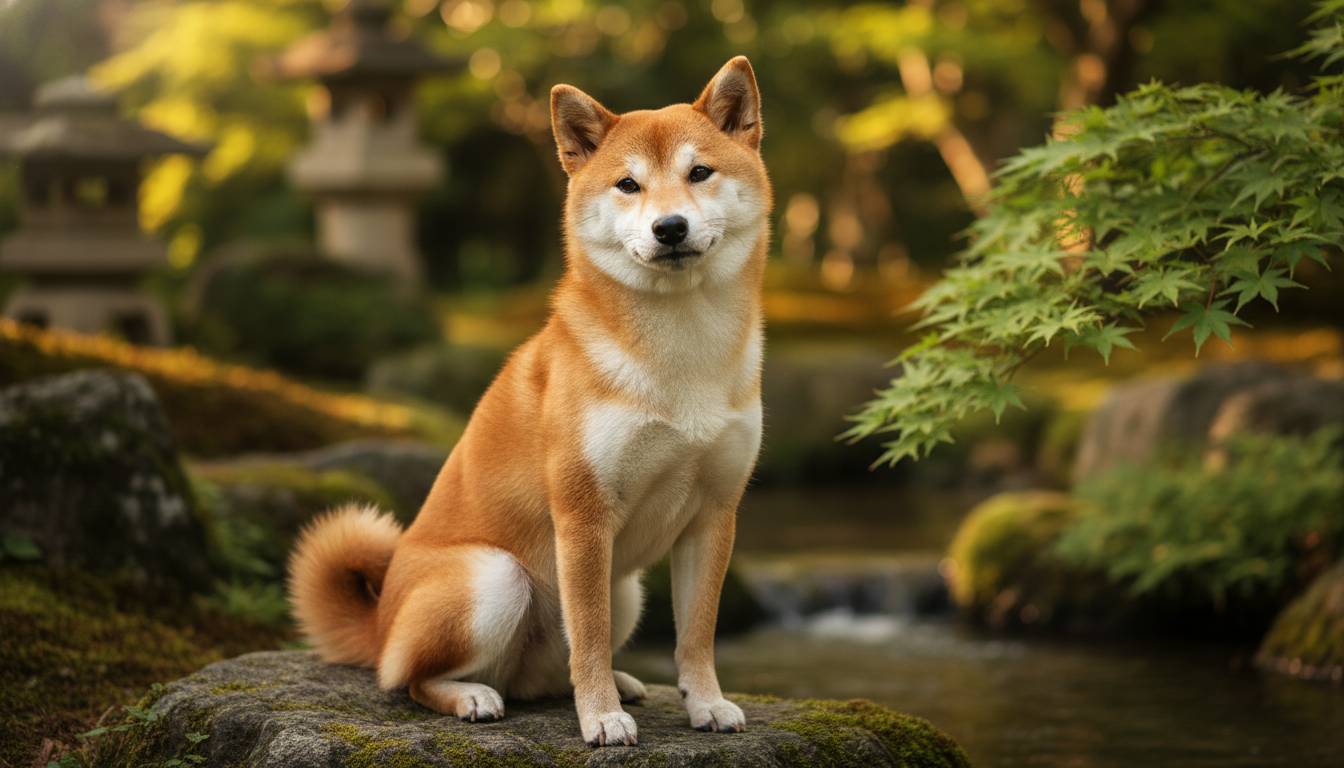
The Shiba Inu has become incredibly popular with dog lovers around the world—thanks to its fox-like looks, spunky personality, and history stretching back thousands of years. These dogs were originally bred in Japan to hunt in mountainous terrain. Today, they’re one of the most common breeds in the United States. Whether you’re thinking about getting one or just want to learn more, this guide covers their history, temperament, and what it takes to care for them.
Breed Overview
The Shiba Inu is a small-to-medium dog in the Spitz family, recognizable by its thick double coat, pointed ears, and curled tail. According to the American Kennel Club, adult Shibas stand 13.5 to 16.5 inches tall at the shoulder and weigh between 17 and 23 pounds—males are usually bigger than females. They’re part of the Non-Sporting Group and have a compact, balanced build that looks agile and strong despite their size.
Shibas have a double coat that comes in several colors: red, black and tan, and sesame. The undercoat is soft and thick for warmth; the outer coat is coarser and stands away from the body. They shed heavily twice a year—what owners call “blowing coat.” During these periods, expect fur everywhere.
A healthy Shiba Inu typically lives 12 to 15 years. That’s a long time, so this is a serious commitment.
History and Origin
Shiba Inus trace back to ancient Japan. Archaeological evidence suggests they existed as early as 300 B.C. They were working dogs in the mountainous regions, used to hunt birds, rabbits, and even wild boar. The name means “brushwood dog” in Japanese—either referring to the terrain they hunted in or their reddish coat color.
World War II nearly wiped out the breed. Distemper outbreaks after the war devastated Japanese dog populations. Dedicated breeding programs saved them by combining bloodlines from remote mountain villages. Three types existed historically: the Shinshu Shiba, Mino Shiba, and San’in Shiba. Modern Shibas descend from these regional varieties.
Military families brought the first Shiba Inu to the United States in 1954. The AKC recognized the breed in 1992, and it’s been climbing the popularity charts ever since—now consistently in the top 50.
Temperament and Personality
Shibas are confident, alert, and fiercely independent. They have a reputation for acting somewhat like cats—they’re meticulous about grooming and tend to housebreak easily. They’ll bond closely with their family but keep some distance from strangers. They’re not lap dogs, but they want to be near you and involved in what you’re doing.
One thing that surprises new owners: the “Shiba scream.” This breed is vocally expressive. They’ll make an unmistakable high-pitched sound when excited, unhappy, or trying to get your attention. It’s not a bark exactly—it’s louder and more dramatic than most dog sounds.
With family, Shibas can be wonderful when raised with proper socialization. They usually do well with older kids who understand not to grab tails or ears. Their independent streak means they won’t tolerate rough handling, so supervise interactions with young children.
Shibas can get along with other dogs, especially if they grow up together. Some—especially same-sex pairs—will be aggressive, so early socialization matters. Their prey drive is strong. If you have rabbits, hamsters, or cats, think carefully before bringing home a Shiba unless you’ve raised them together from puppyhood.
Physical Characteristics
The Shiba’s face looks remarkably like a fox—triangular ears perched on a broad skull, small dark eyes that always look alert, a moderate-length muzzle with a black nose. The curled tail resting over the back is probably their most recognizable feature, along with that compact, muscular body.
The double coat works well in varied climates. The outer coat is straight and harsh, about 1.5 to 2 inches long. The undercoat is soft and dense, perfect for cold weather. Japan’s climate swings from mountain winters to humid summers, and Shibas handle it all.
Red is the most common and popular coat color. Black and tan Shibas have markings similar to German Shepherds—tan above the eyes, on the cheeks, and on the legs. Sesame (red with black tipping) exists but is much rarer.
Care and Grooming
Shibas need regular brushing—at least once or twice a week to prevent matting. During shedding season, you’ll want to brush daily. An undercoat rake or de-shedding tool makes a huge difference. Expect fur on everything.
Despite the thick coat, Shibas don’t need many baths. They’re naturally clean and groom themselves like cats. Too many baths strip essential oils from their skin and coat, causing dryness. A few times a year—or when they get into something stinky—is plenty.
Other grooming basics: trim nails every three to four weeks, clean ears weekly (those erect ears collect dust), and brush teeth regularly. Dental disease is common in many breeds, and Shibas aren’t exception.
Exercise needs are moderate. Daily walks plus some playtime usually suffice. They love exploring outside and appreciate a secure yard. Just don’t let them off leash in unfenced areas—that prey drive kicks in and they’ll ignore your recall completely.
Health and Lifespan
Shibas are generally healthy dogs. Like all breeds, they have some conditions they’re prone to.
Hip dysplasia occurs in some individuals. The hip joint doesn’t form properly, which can lead to arthritis later. Keeping your dog at a healthy weight reduces stress on the joints.
Allergies affect some Shibas—environmental allergens and food sensitivities alike. Itchy skin, ear infections, and upset stomachs can result. A vet can help identify triggers.
Eye problems like progressive retinal atrophy and cataracts sometimes show up. Regular eye exams catch these early. Patellar luxation (a loose kneecap) also occurs, though it’s usually manageable.
Hypothyroidism sometimes affects the breed. It’s easily controlled with daily medication and regular blood work.
Good breeders test their breeding dogs for these issues. Ask for health clearances before buying a puppy.
Training and Behavior
Training a Shiba requires patience. They’re independent thinkers—sometimes outright stubborn. Unlike breeds that live to please, Shibas question commands. “Why should I do that?” seems to be their default response. This comes from their hunting heritage, where they had to make decisions on their own in the field.
Positive reinforcement works best. Treats, praise, play—whatever motivates your individual dog. Harsh corrections backfire and damage your relationship.
Socialization is critical. Expose puppies to different people, animals, and environments during those formative early months. Puppy classes are ideal—they learn basic obedience while mingling with other dogs.
House training is usually easy. Shibas are naturally clean and don’t want to soil their sleeping area. Stick to a routine, use positive rewards, and be patient.
Don’t skip mental exercise. This is a smart breed that gets bored easily. Puzzle toys, training games, and dog sports like agility or rally keep them engaged. A bored Shiba finds creative ways to entertain itself—and you won’t like the results.
Cost and Expenses
Buying a puppy from a good breeder costs $1,500 to $3,500. Price depends on the breeder’s reputation, the puppy’s lineage, and location. Show-quality dogs cost more; pet-quality (with minor flaws) cost less. Rescue organizations have adult Shibas available for $250 to $500.
First-year expenses run $3,000 to $5,000—puppy supplies, veterinary care, training classes, food, and everything else adds up quickly. After that, expect $1,500 to $3,000 annually for food, vet visits, grooming supplies, and routine care.
High-quality dog food costs about $50 to $80 per month. Routine vet care—checkups, vaccines, heartworm prevention—averages $500 to $1,000 yearly. Grooming tools and occasional professional sessions run $200 to $400. Add pet insurance, toys, bedding, and training, and the numbers add up.
This isn’t a cheap breed to own. Factor in all costs before committing.
Finding a Shiba Inu
Reputable breeders prioritize health and temperament over appearance. Look for breeders who health-test their dogs, let you meet the parents, and provide documentation. Good breeders will ask you questions too—they care where their puppies go.
Shiba Inu rescue groups operate across the country. Adopting an adult dog means giving a Shiba a second chance. Foster families usually know the dog’s personality, so you get a good sense of what you’re getting. Yes, rescue dogs may need time to adjust. But the reward of providing a home to a dog in need is significant.
Avoid pet stores and online listings that can’t tell you about the puppy’s background. These often support puppy mills, where dogs are bred in poor conditions with little regard for health or temperament. The low price isn’t worth the suffering—or the vet bills later.
Frequently Asked Questions
Are Shiba Inus good family dogs?
Shibas can be excellent family dogs in the right home. They bond deeply with their people and do well with children who know how to treat dogs respectfully. They’re not ideal for families with toddlers, though—their independent nature and potential for resource guarding don’t mix well with rough handling. Start socialization early and be consistent with training.
How much does a Shiba Inu cost?
A puppy from a reputable breeder runs $1,500 to $3,500. Rescue adoption fees are $250 to $500. First-year costs total $3,000 to $5,000 with supplies, vet care, and training. Subsequent years run $1,500 to $3,000.
Why do Shiba Inus scream?
The “Shiba scream” is a vocalization they use to communicate strong emotions—excitement, frustration, anxiety. It’s a trait that traces back to their hunting days. Some Shibas do it more than others. Learning what triggers it helps you manage it.
Do Shiba Inus shed a lot?
Yes. They shed heavily twice a year during seasonal coat blows. Brush at least twice a week, daily during shedding season. You’ll never completely eliminate fur in your home, but regular grooming helps.
How long do Shiba Inus live?
With proper care, 12 to 15 years. Some live longer, especially with good genetics, healthy weight, and regular veterinary attention.
Are Shiba Inus aggressive?
Not typically, but they can be territorial and protective. Early socialization prevents most aggression toward strangers and other animals. They may show dominance toward other dogs, particularly of the same sex. That prey drive means they’ll chase small animals if given the chance.