
Cryptocurrency mining keeps digital currencies running. It verifies transactions and adds them to the blockchain while creating new coins. If you’re thinking about trying mining, you need to understand how it works, what equipment you’ll need, and whether it can actually make you money. This guide covers the basics.
How Cryptocurrency Mining Works
Mining is the process of validating transactions on a blockchain. Miners run software that solves math problems, which confirms that transactions are legitimate. Once a miner solves the problem, they share it with the network for verification, and the block gets added to the blockchain.
This is called proof-of-work. It takes real computing resources to participate, which keeps the network secure. No single person or group can fake transactions without controlling most of the network’s computing power.
Successful miners receive new cryptocurrency as a reward. This is how new coins get created. Bitcoin started this system in 2009, and the reward has halved several times since then.
Hashrate measures all the computing power on the network. Higher hashrate means more security but also more competition. Difficulty adjusts automatically so blocks take about 10 minutes to solve, regardless of how many miners are working.
Types of Cryptocurrency Mining
Solo Mining vs. Pool Mining
Solo mining means working alone to find blocks and keep the full reward. The payouts are rare and unpredictable. Most people can’t justify the hardware and electricity costs.
Pool mining combines resources from many miners. When the pool finds a block, everyone gets paid based on how much computing power they contributed. This gives smaller miners steady, smaller payouts instead of long dry spells.
Cloud Mining
Cloud mining lets you rent computing power from a remote facility. You pay upfront for a contract, and they handle the hardware and electricity. It’s easier to start, but the fees eat into your profits.
ASIC vs. GPU Mining
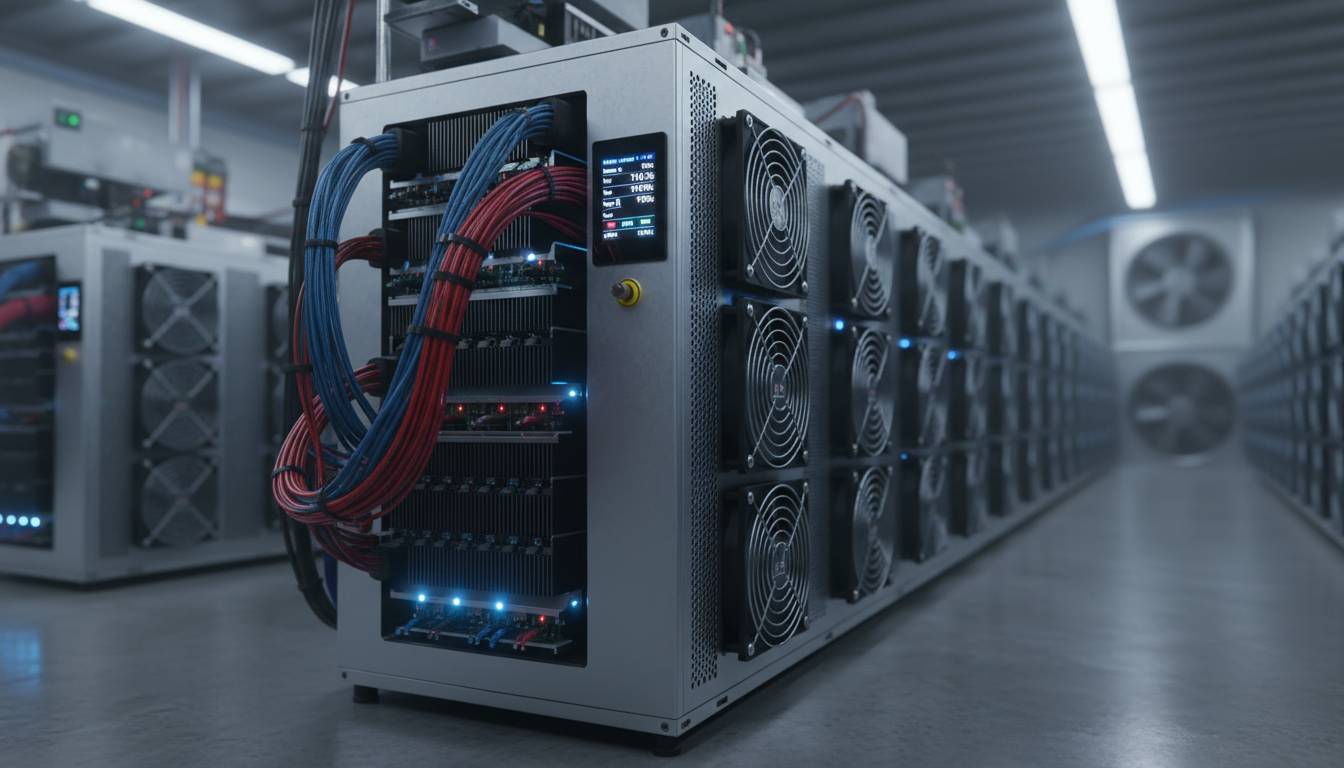
ASIC miners are built specifically for one algorithm. They’re powerful and efficient, but expensive and can’t mine anything else.
GPU mining uses graphics cards, which are more flexible. You can switch between different coins depending on what’s profitable. They’re not as efficient for Bitcoin, but work well for many other cryptocurrencies.
Best Cryptocurrencies to Mine in 2024
What you can actually make money mining depends on your hardware, electricity costs, and current prices. Nothing works universally for everyone.
Bitcoin pays the most per block, but you’d need thousands of dollars in ASIC hardware to compete. Most individuals can’t profitably mine it anymore.
Ethereum Classic and Ravencoin work well with GPUs. They’ve got active communities and don’t require specialized equipment.
Monero focuses on privacy and stays friendly to regular hardware. It’s harder to mine profitably due to lower value, but more accessible.
The key is running the numbers before buying anything. Use a mining calculator to see if you’d actually make money after electricity.
How to Start Mining Cryptocurrency
Pick a coin and research what it needs. Different coins use different algorithms and have different communities.
Get your hardware. ASICs for Bitcoin, GPUs for most everything else. Expect to spend significantly – quality equipment isn’t cheap.
Set up a wallet to receive your coins. Keep your recovery phrases safe – lose them and you lose everything.
Download mining software and configure it. Connect to a pool unless you’ve got serious hash power.
Join a pool and start earning. Check their fees and how often they pay out.
Is Cryptocurrency Mining Profitable?
Electricity usually eats up more money than anything else. If you’re paying standard rates, you’ll likely lose money.
Hardware breaks down or becomes outdated. ASICs last a few years before newer models make them useless.
Difficulty keeps going up, so your share of rewards keeps shrinking. What makes money today might not next year.
Crypto prices swing wildly. You could suddenly go from profitable to underwater just from price drops.
Big mining operations have real advantages: cheaper power, bulk hardware deals, and teams of people optimizing everything. Individual miners usually can’t compete on Bitcoin anymore.
Environmental Impact of Mining
Bitcoin mining alone uses roughly the same electricity as some entire countries. That’s a real problem.
A lot of mining happens in places with cheap coal power, which makes the emissions situation worse.
Some argue mining helps develop energy infrastructure in remote areas, and more renewable projects are starting up. Ethereum already moved to proof-of-stake and cut its energy use dramatically.
If you care about this, look at what you’re mining and where your electricity comes from.
Frequently Asked Questions
What is cryptocurrency mining in simple terms?
Mining uses computer power to solve math problems that verify transactions. Miners get paid in new coins.
How much money can you make mining cryptocurrency?
Profitability depends entirely on your situation. Some people make money, most don’t. Run the numbers first.
Is cryptocurrency mining legal?
Legal in the US and most places, but some countries ban it. Check your local rules.
What equipment do I need to start mining cryptocurrency?
Depends on the coin. Bitcoin needs ASICs, most other coins work with GPUs.
How long does it take to mine one Bitcoin?
For an individual, you’d need a massive operation. Joining a pool is the only realistic way for most people.
Is cryptocurrency mining still profitable in 2024?
Some people still make money at it. But it’s gotten much harder for individuals to compete.
Conclusion
Mining has changed a lot since Bitcoin started. It’s now dominated by large operations with cheap power and specialized hardware.
If you’re thinking about trying it, go in with realistic expectations. The money isn’t as easy as it was, and the costs add up fast. Start small, see how it actually works, and don’t invest more than you can afford to lose.